

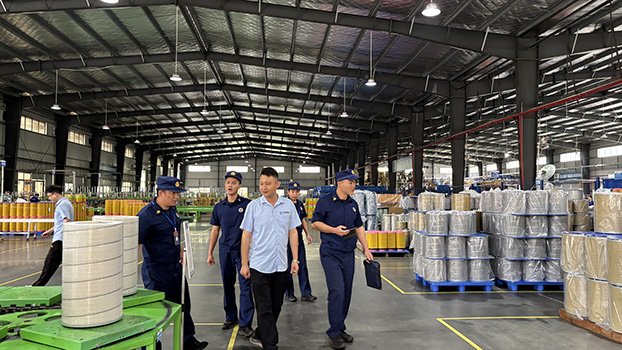
Filter production involves large volumes of flammable materials including paper filter elements, rubber and plastic raw materials as well as paper packing cartons, making production workshops and finished-goods warehouses core priority areas for fire risk prevention and control. During this inspection, accompanied by the company’s safety management staff, fire officials completed full-coverage on-site checks in strict compliance with the inspection principle of leaving no dead ends or unchecked blind spots. The inspection team first toured the core production workshop alongside production lines. Inspectors closely examined operating conditions on assembly lines, standardized storage of raw materials, layout of electrical wiring and layout of emergency evacuation passages inside the workshop. Semi-finished filter components and finished filter products were neatly stacked across the workspace, with packaged finished goods placed on storage pallets. Inspectors kept a close eye on safety clearance between stacked commodities, fire-fighting equipment and electrical installations. After identifying isolated irregularities where temporarily stored raw materials were placed too close to electrical wiring terminals, inspectors elaborated on fire risks stemming from such improper placement against the backdrop of highly combustible filter raw materials, and urged plant administrators to set up exclusive designated storage zones and enforce safe separation between combustible stock and power supply facilities.
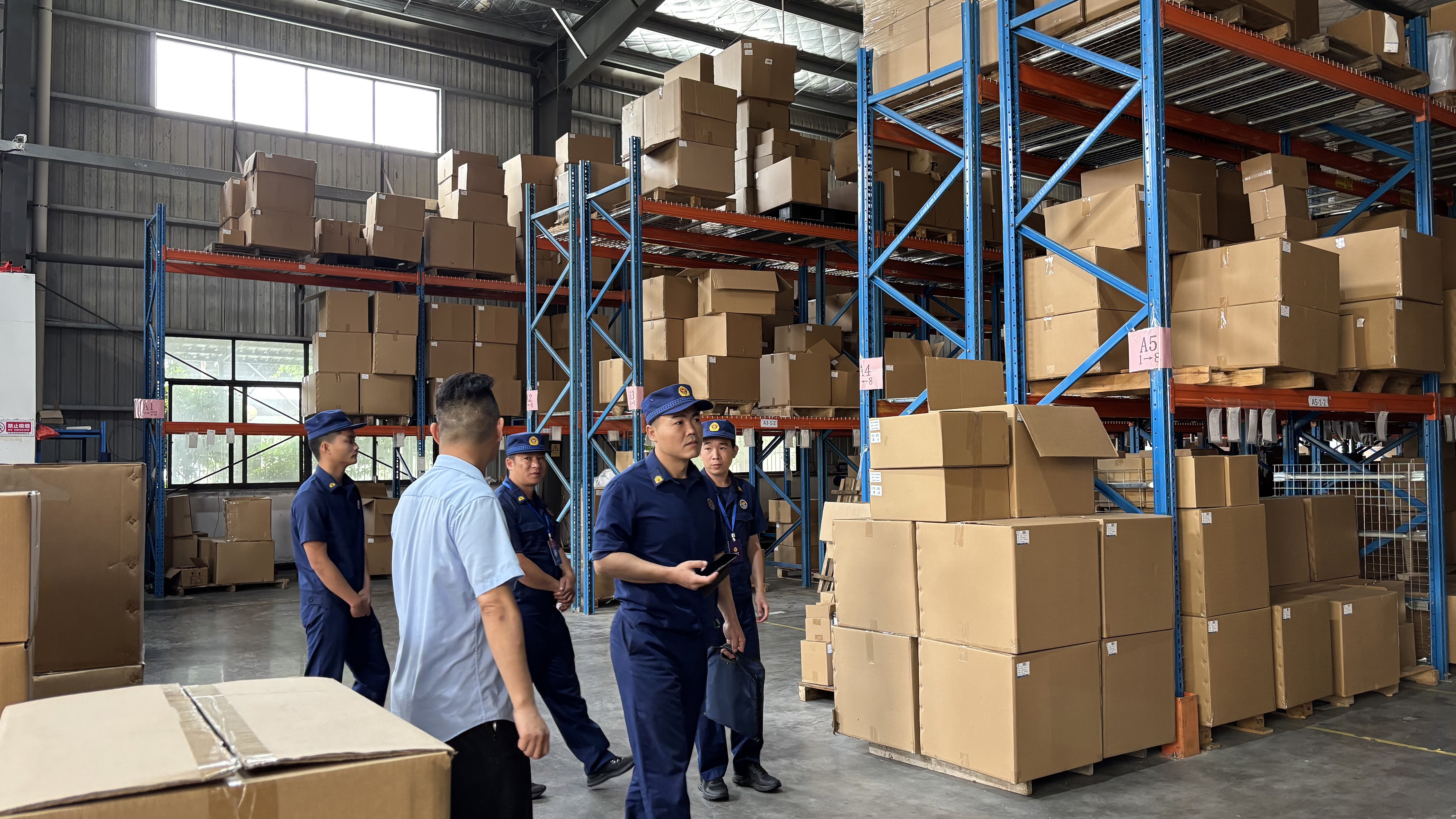
The inspection team then moved to the large-scale finished-product warehouse fitted with high-rise rack storage systems, where numerous packaged finished filters and outer cartons were stacked in layers on multi-tier racks, resulting in high storage density and substantial inventory volume. In line with national warehouse fire control codes, fire supervisors focused verification on fire separation setup, spacing rules for stacked cargo and unobstructed fire access lanes inside the warehouse, and verified whether fire extinguishers were installed in compliant quantities and proper locations around storage racks. During the inspection, part of the cartoned goods were found to encroach marginally on reserved fire access routes. Inspectors briefed the enterprise’s chief warehouse administrator on relevant laws and regulations governing warehouse fire prevention, and issued explicit requirements to rearrange stacked cargo promptly to guarantee unimpeded main aisles and fire separation passages round the clock, so as to eliminate risks of blocked emergency evacuation and fire-fighting access caused by disorderly piled goods.
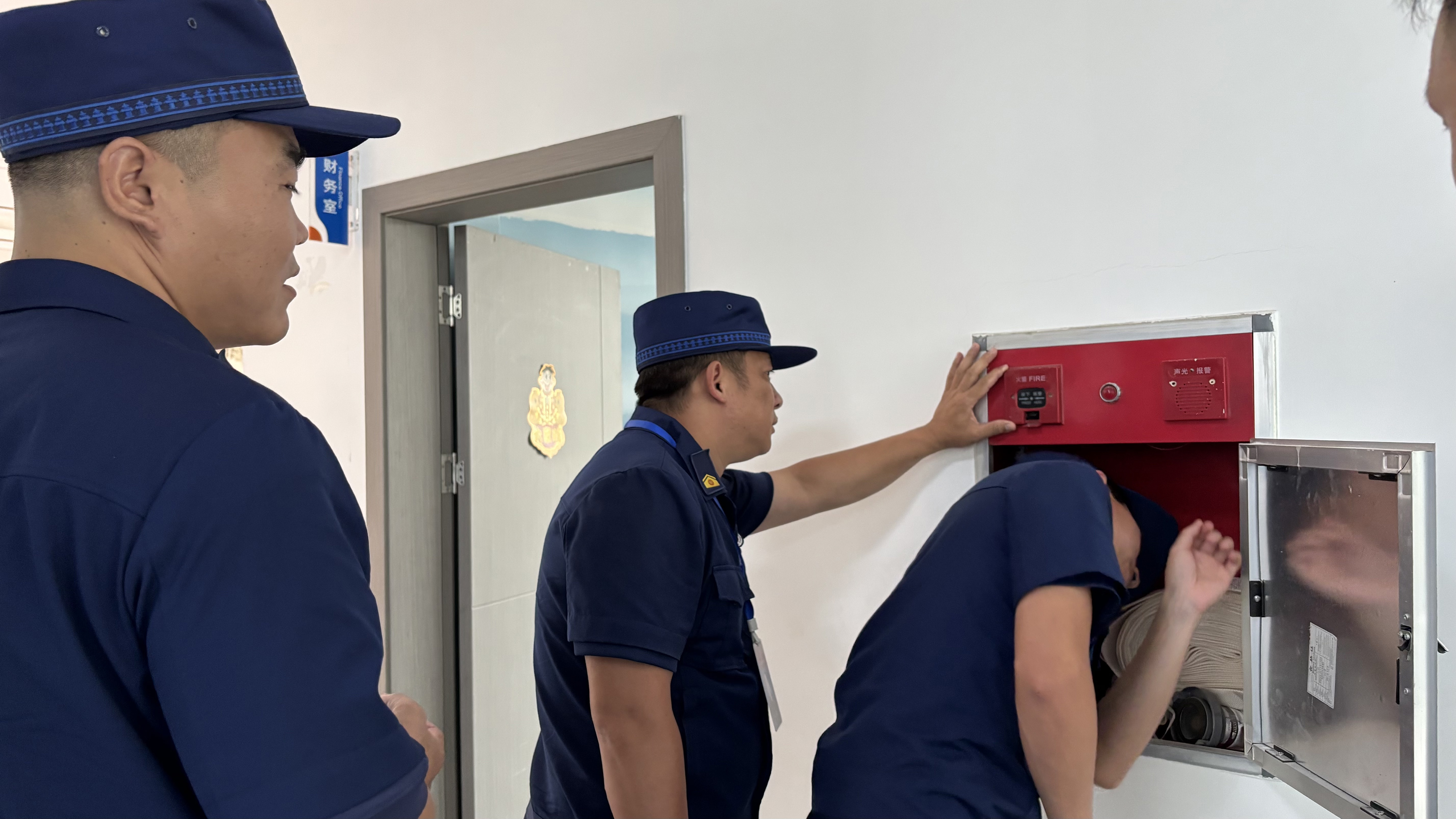
Office areas are frequently overlooked in routine corporate fire prevention oversight. Subsequently, inspectors visited the company’s administrative office building and inspected corridors, individual offices, the finance office and other functional rooms floor by floor to verify intact fire equipment. At each floor-mounted fire hydrant cabinet, inspectors opened cabinets one by one to check the completeness of internal accessories including fire hoses, water nozzles and fire alarm buttons, and tested the responsiveness of hydrant alarm devices and audible-visual annunciators. While examining regular maintenance of hydrant cabinet fixtures and completeness of daily inspection ledgers, fire officers questioned the enterprise’s security staff about standard daily equipment inspection workflows, highlighted core requirements for regular maintenance of fire-fighting appliances in office premises, and advised administrative management teams to step up self-inspection to avoid unreported loss or damage of fire protection devices.
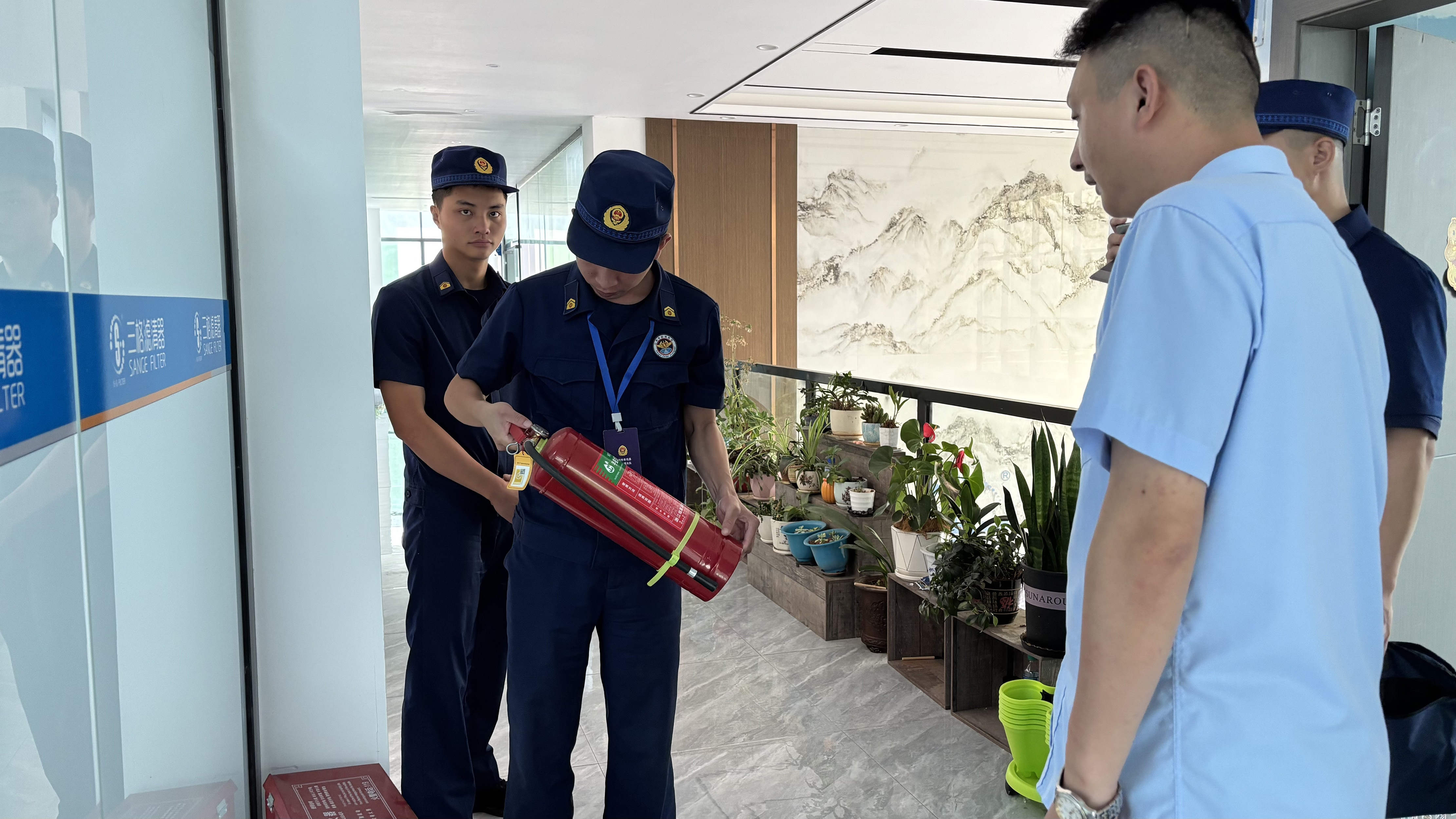 The inspection group also examined ground-mounted outdoor fire hydrant control cabinets across the plant compound. Pointing out alarm buttons and start-stop components on control cabinets, inspectors walked plant management through standard operating specifications for daily inspection, trial water testing and maintenance of outdoor fire protection installations. They explained maintenance essentials covering normal indicator lamp operation, flexible valve switchover, proper storage of spare emergency parts and freeze-proof maintenance protocols amid inclement weather such as rain and snow, citing typical malfunction cases of outdoor fire facilities at industrial plants. Combined with the factory’s actual production conditions, inspectors recommended the enterprise conduct regular trial water tests on outdoor fire hydrants to ensure reliable water supply for fire suppression in case of sudden blazes.
Beyond physical inspection of fire hardware, fire supervisors delivered face-to-face fire safety legal publicity and practical training tailored to fire hazard characteristics specific to the filter manufacturing sector. In response to the prevalent issue of inadequate basic fire knowledge and uneven emergency response capabilities among frontline workers, inspectors advised company management to roll out staged specialized fire safety training for production operators, warehouse keepers and administrative and logistics staff based on rectification of uncovered hazards. Training modules centered on practical skills including early-stage fire suppression, hands-on fire extinguisher operation, familiarization with in-plant emergency escape routes and emergency handling of fires ignited by flammable raw materials. Where feasible, the enterprise was suggested to organize regular full-site fire emergency drills to ensure every on-duty employee masters actionable fire safety know-how.
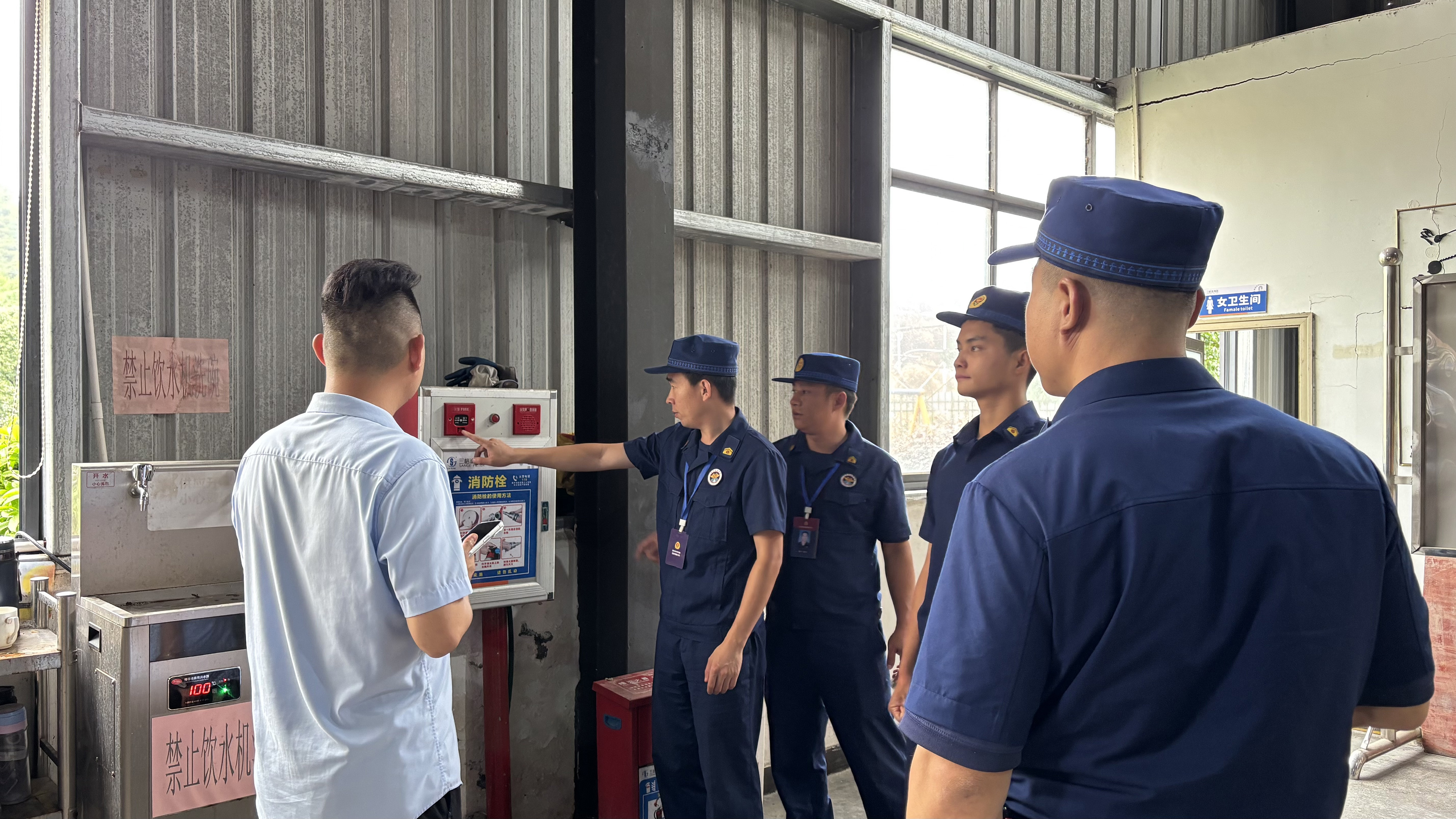
All hidden dangers spotted during field checks were compiled into a detailed problem list and communicated item by item to the enterprise. Hazards were categorized into immediate rectification items and rectification items with specified deadlines alongside clear compliance standards. The enterprise’s safety manager followed the entire inspection process and carefully documented all rectification requirements. The management of Jiangxi Sange Filter Manufacturing Co., Ltd. affirmed full commitment to fulfilling primary fire safety accountability and pledged to complete closed-loop rectification of all identified plant-wide hazards in strict accordance with official suggestions without delay. Immediate work includes reorganizing irregularly stacked goods in workshops and warehouses, optimizing zoning management for raw material storage and replenishing missing or damaged fire-fighting gear sitewide. Meanwhile, the company will revise internal fire safety inspection regulations and implement a partitioned daily patrol mechanism with dedicated inspectors assigned to workshops, warehouses and office zones to embed routine fire hazard checks into daily production routines. Furthermore, fire safety courses will be incorporated into mandatory induction training for new recruits, alongside scheduled monthly self-inspections and quarterly full-scale fire drills. The enterprise aims to comprehensively fix existing fire safety vulnerabilities via three-pronged improvements in institutional framework, personnel administration and hardware maintenance.
The Industrial Park Fire Station has long adopted an integrated service-and-supervision model for corporate fire safety assistance, conducting regular on-site inspections for local processing and manufacturing enterprises and developing targeted fire prevention guidance plans matching the operational traits of different industries. Moving forward, local fire authorities will track the rectification progress of Jiangxi Sange Filter Manufacturing Co., Ltd. and arrange follow-up re-inspections upon completion of corrective works. In parallel, continuous fire safety outreach and inspections will be expanded to peer manufacturing enterprises within the jurisdiction. Through on-site audits, on-location safety education and targeted hazard remediation support, fire authorities will guide local manufacturers to uphold the red line of safe production, earnestly fulfill statutory fire safety obligations, reinforce daily fire prevention and control to secure stable and sound development of regional real economy.