

As early summer arrives in June, the whole factory is immersed in a production sprint. To fully unlock the production capacity of the oil filter workshop and eliminate bottlenecks in material supply and finished goods delivery, all staff of the Warehouse Department at Jiangxi Sange Filter launched continuous relay operations on June 8. They completed the full workflow of loading, unloading, warehousing, transfer and shipment of bulk materials through coordinated division of labor. With efficient, orderly and solid logistical support, the team built a robust backup line for full-capacity workshop production and drove sustained overall output growth via accelerated warehouse operation efficiency.
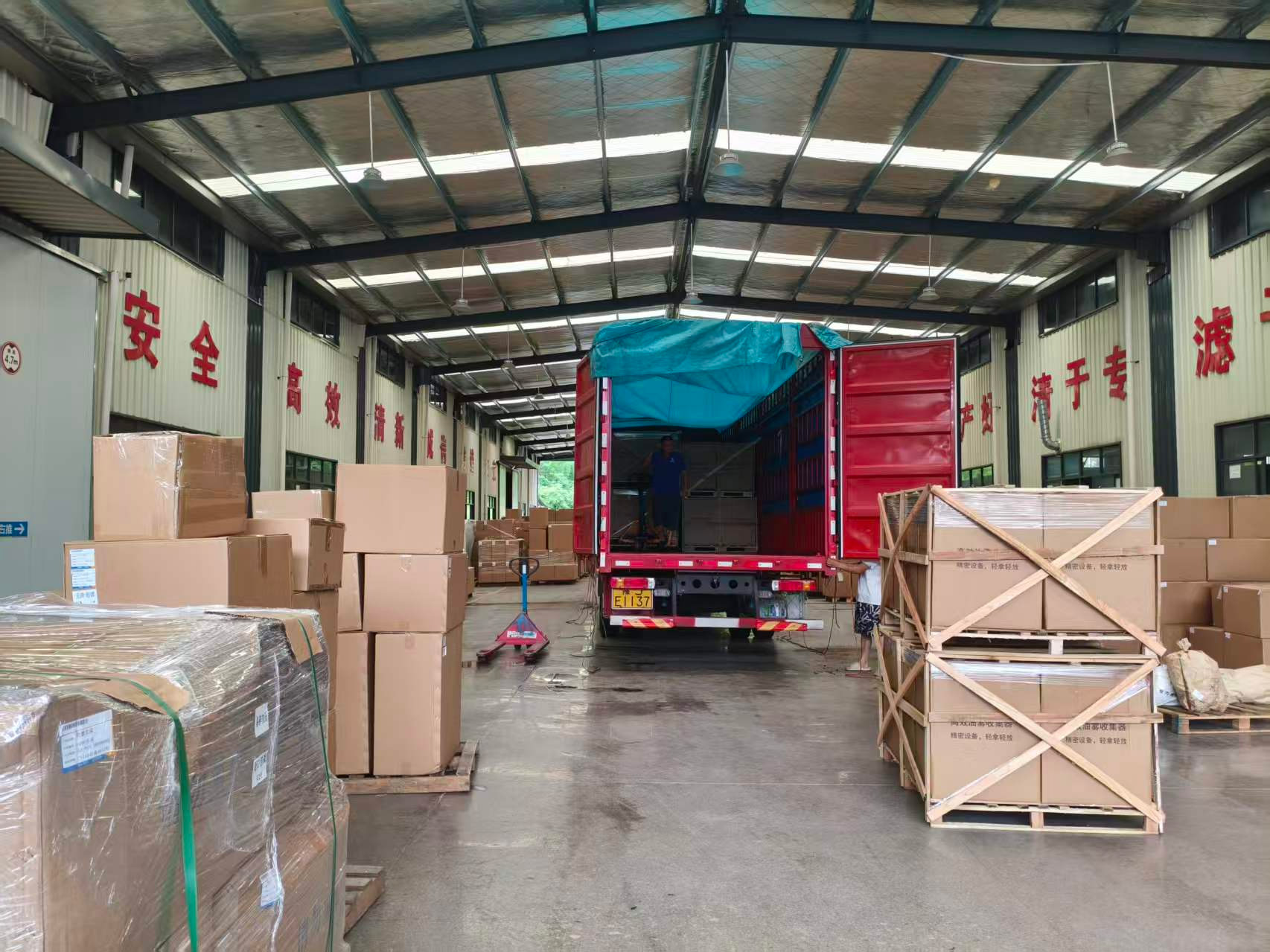 Warehousing serves as the core hub linking raw material supply, workshop manufacturing, finished product storage and market delivery. The turnover efficiency of materials directly determines stable full-load operation of production lines. Since the start of June, market orders have kept rising, pushing the oil filter workshop to adopt two-shift full-capacity production. Raw material consumption and finished oil filter output have surged simultaneously, bringing drastically heavier pressure on material turnover, loading and delivery within the warehouse. On one hand, non-stop production lines require continuous replenishment of filter raw materials and packaging accessories; on the other hand, mass finished oil filters rolling off production lines need immediate sorting, packaging and loading for nationwide clients. The daily volume of inbound and outbound goods handled by the warehouse rose by nearly 60% month-on-month. Multiple freight trucks arrived at the plant for loading at the same time, posing major challenges in manpower allocation, site planning and process coordination.
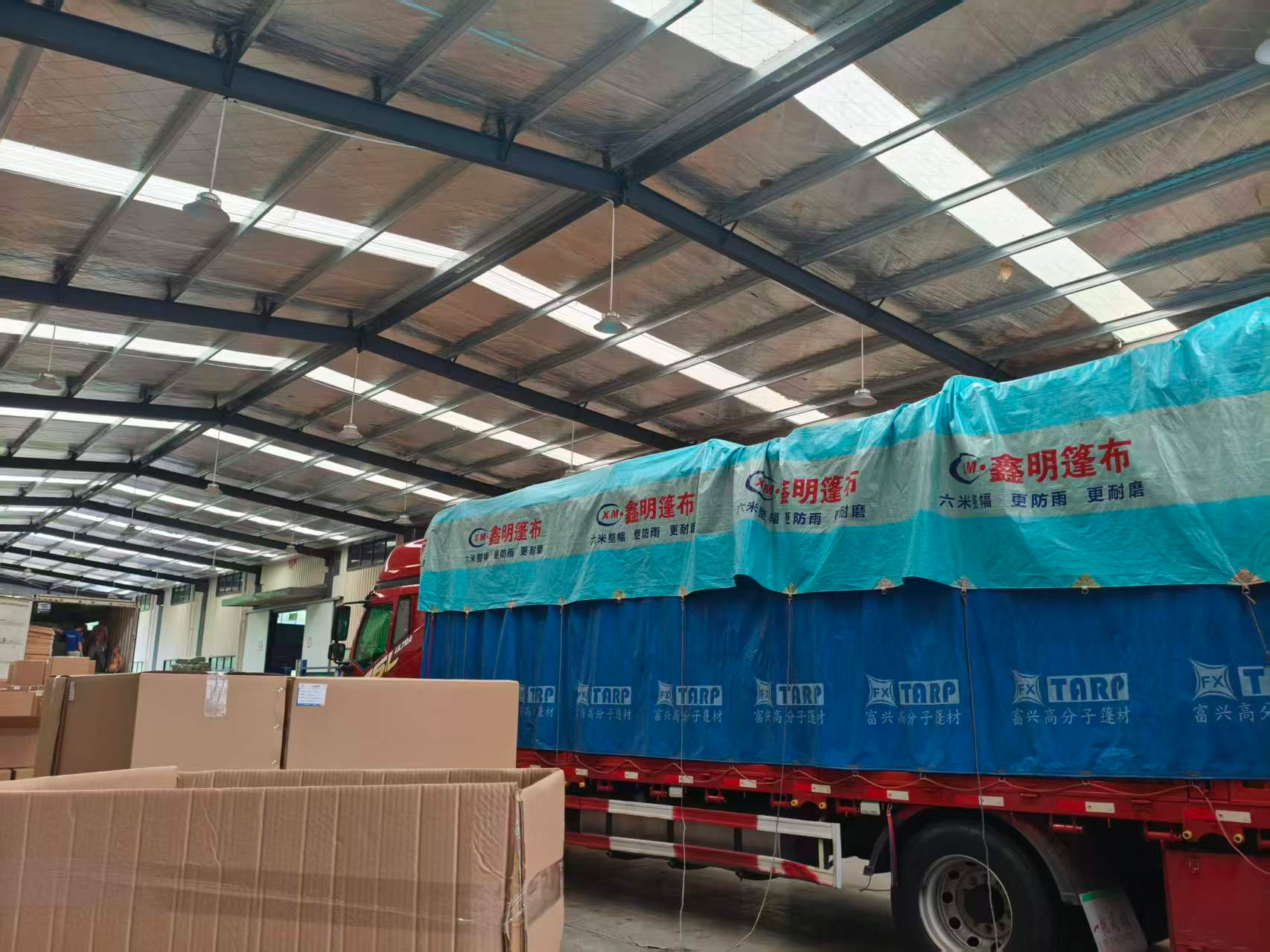 Faced with the urgent task of guaranteeing material supply, the Warehouse Department of Jiangxi Sange made advance overall arrangements and held a special deployment meeting on the evening of June 7. Based on the next day’s truck arrival schedule, workshop material consumption lists and finished goods delivery orders, the team formulated a full-staff relay operation plan. Breaking traditional job boundaries, the department mobilized warehouse keepers, loaders, forklift operators and site coordinators to work full shifts under a staggered relay mechanism. This ensured uninterrupted material feeding for production lines, zero waiting time for truck loading and seamless material circulation. During the meeting, the department supervisor emphasized that warehouse support forms the first line of production guarantee. Timely material delivery to production lines and on-time loading of finished goods are critical drivers of output growth. All team members were required to unite closely and shoulder the heavy responsibility of material supply guarantee through efficient collaboration.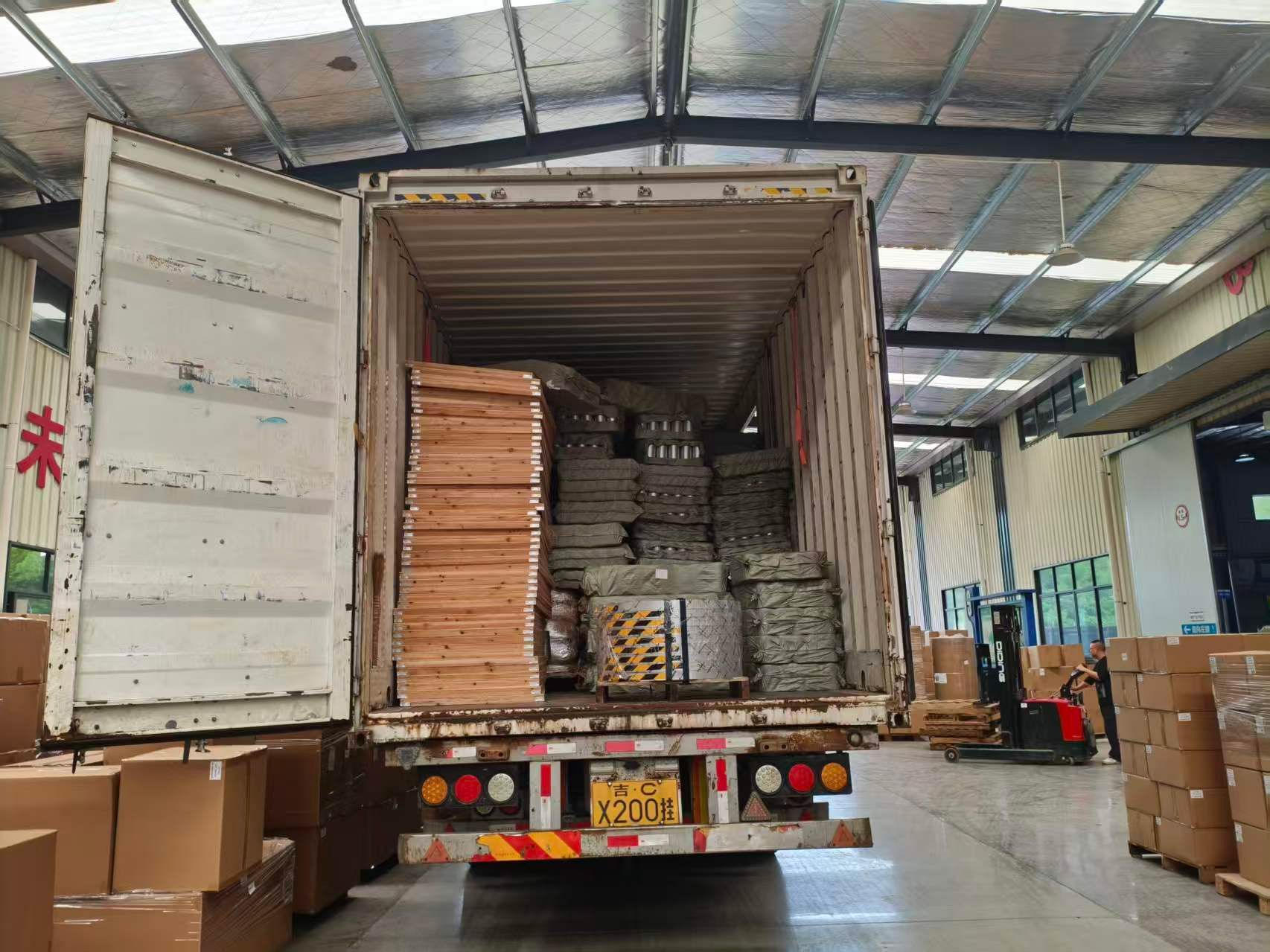
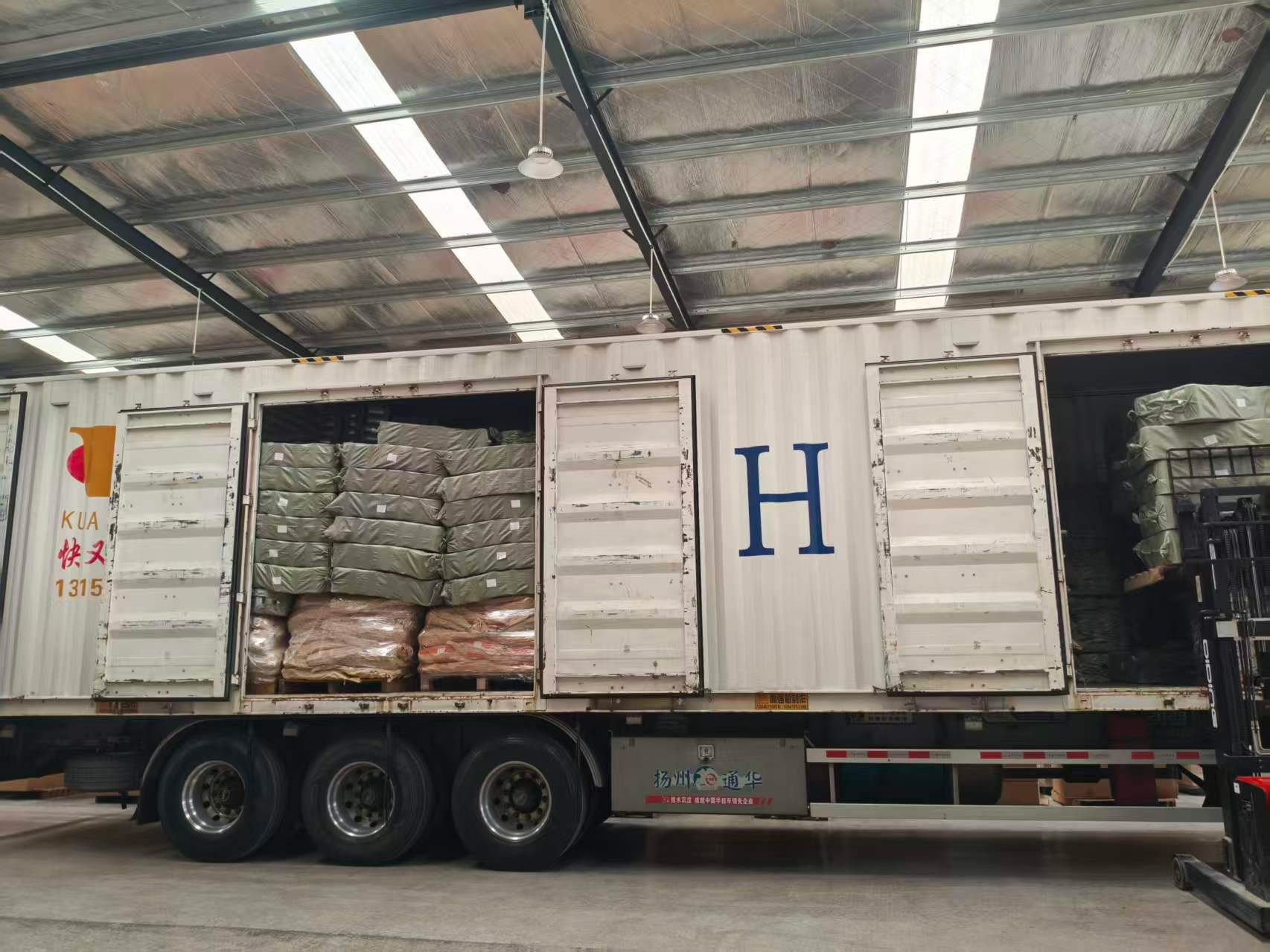
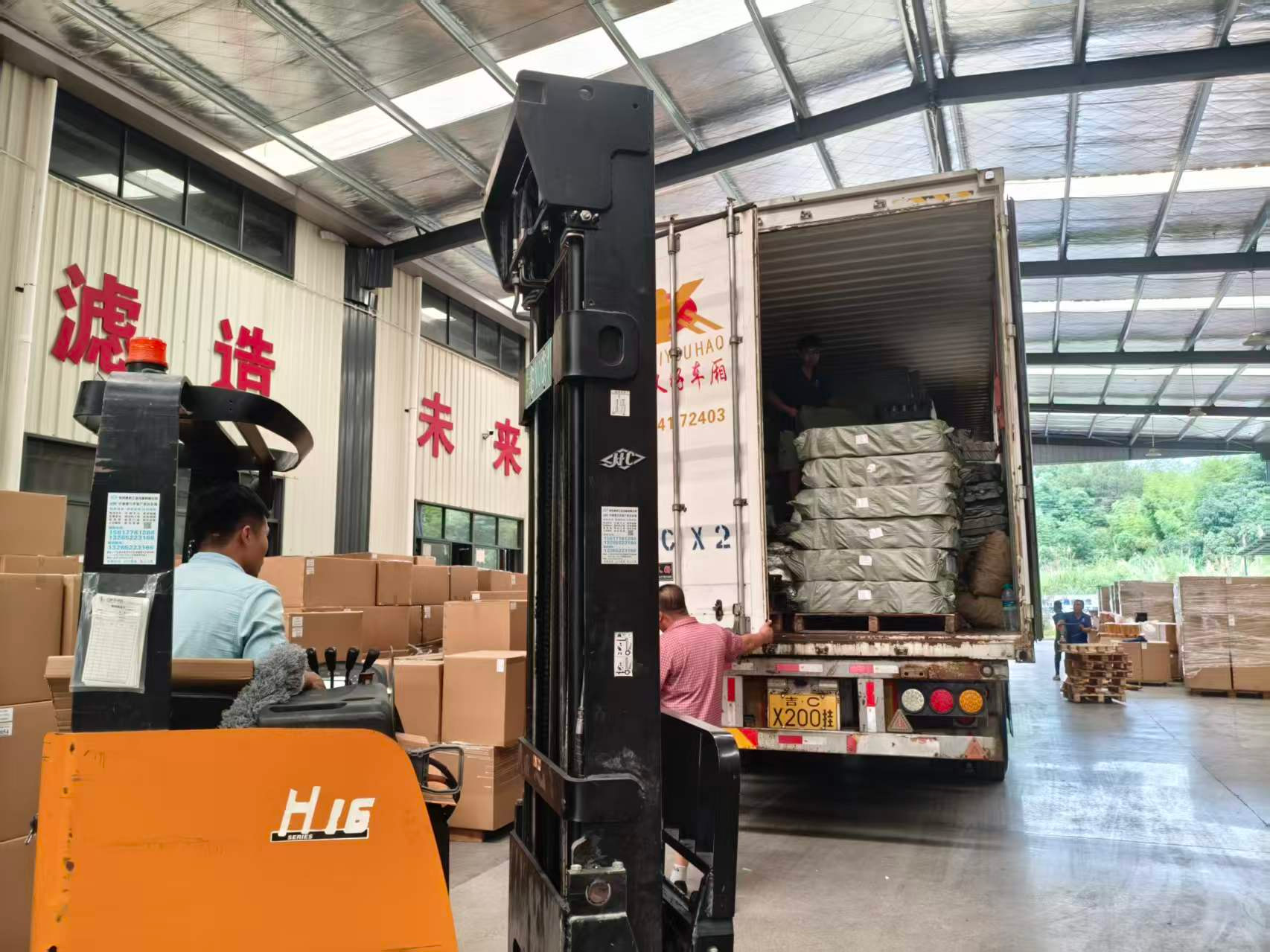 A fleet of large freight semi-trailers pulled into the plant’s loading platform one after another, kicking off the peak finished goods loading operation amid a busy yet orderly scene. Clear functional zones were marked out across the warehouse site, with neatly stacked palletized finished oil filters reinforced by wooden frames and wrapped in stretch film. Loaders and forklift drivers coordinated seamlessly to transfer and load goods in an orderly manner. The team flexibly adjusted loading solutions for different vehicle types including box trucks and high-side tarpaulin trucks. Heavy finished products were protected with solid wood frames and stacked in layers, while lightweight filter materials were bundled and packaged neatly. Every cargo item underwent appearance inspection and document verification prior to loading, balancing high loading efficiency with minimized transit damage.
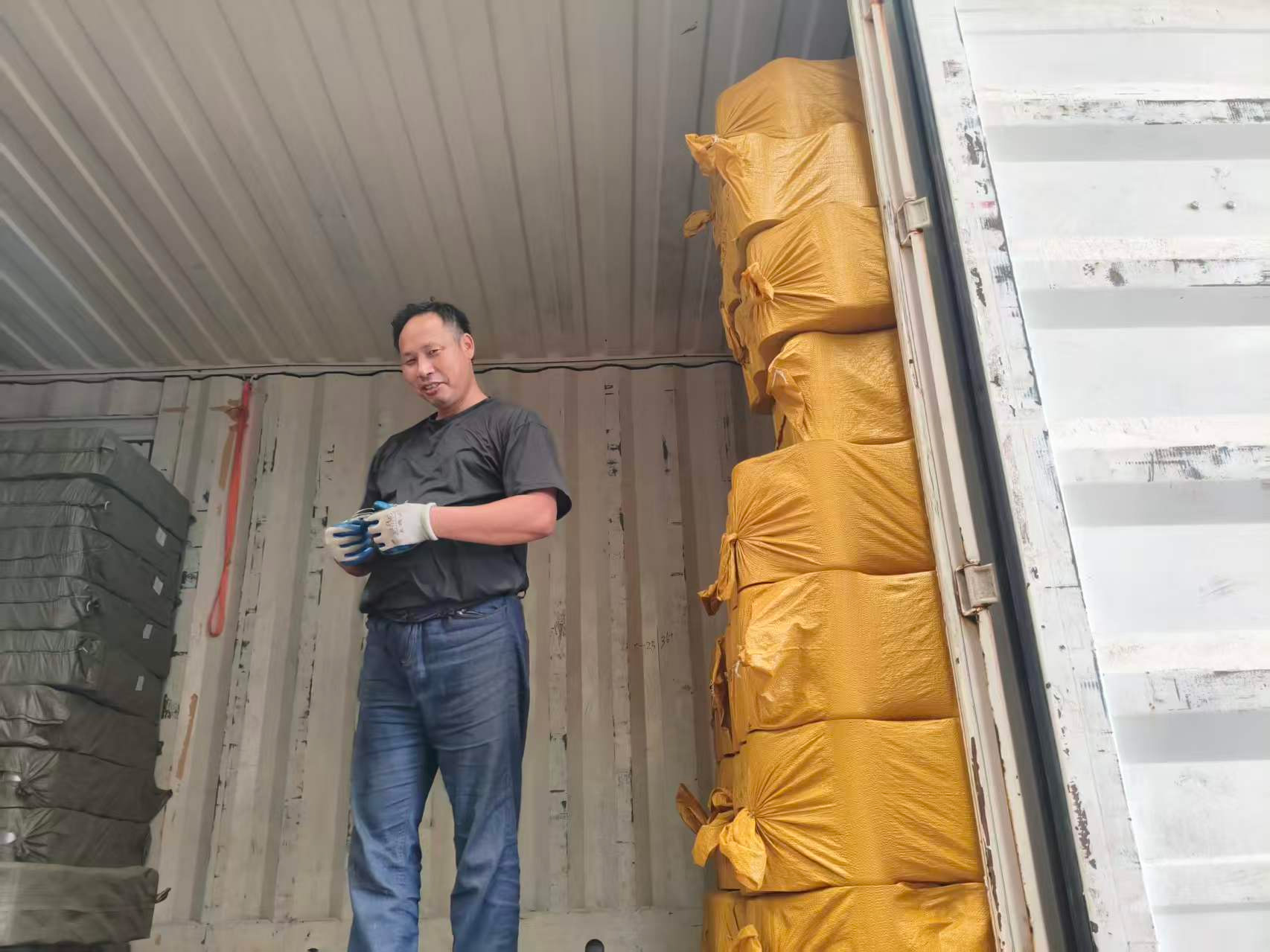
Loading and unloading adopted a two-person relay model: one forklift operator transported full pallets to the truck compartment entrance, while two loaders simultaneously stacked, secured and protected goods inside the vehicle. Goods were layered neatly within compartments, with filter materials packed in yellow woven bags and carton-wrapped finished products placed in separate zones to maximize cargo capacity per vehicle and cut logistics costs. Extra-long filter components received careful edge protection and were vertically stacked against compartment inner walls to prevent collision damage during transit. Site coordinators monitored the loading progress of every truck throughout the process, maintaining real-time communication with logistics drivers and warehouse clerks to synchronize outbound data recording. Goods loading and document registration were completed simultaneously. Once a truck was fully loaded, staff quickly fastened tarpaulins and completed sealing formalities for immediate departure without long on-site waiting times.
Even during midday break, the oil filter workshop kept churning out finished products. The warehouse packaging team skipped full lunch breaks and worked in shifts to sort, seal and label newly finished goods. Staff divided tasks clearly: some sorted oil filters of different models by pallet, others reinforced pallets with protective film, and the rest printed delivery documents to cross-check order information. Assembly-line packaging ran nonstop, supplying a steady stream of shipments to the loading zone. Warehouse supervisors patrolled all work areas to coordinate manpower, forklifts and site allocation in real time. They adjusted operation routes immediately once circulation bottlenecks emerged to ease congestion at loading platforms and maintain smooth end-to-end material flow. “We’ve received abundant orders and the workshop produces at high speed, so packaging and loading must keep pace. We take turns grabbing a quick lunch to avoid piling up finished goods in storage or keeping trucks waiting empty-handed,” said Zhang, a senior packaging staff member, as he rapidly sealed cartons — a routine scenario for the warehouse team amid days of supply guarantee work.
Document clerks remained on duty throughout the operation. Every batch of incoming raw materials, every workshop material outbound transfer and every shipment of finished goods was registered and verified in real time, with paper documents and digital system records updated synchronously to accurately log product models, quantities and destinations, ensuring full consistency between physical goods and ledgers for later production review and order traceability. The stable growth in output of the oil filter workshop on the day largely stemmed from uninterrupted material replenishment from the warehouse. Nearly 100 pallets of various production raw materials were delivered to the workshop, sustaining full-capacity operation of three core production lines. Meanwhile, finished oil filters totaling thousands of pieces were loaded onto five large freight trucks and shipped to cooperative clients nationwide, effectively clearing finished goods inventory and opening up downstream channels for full production capacity release.
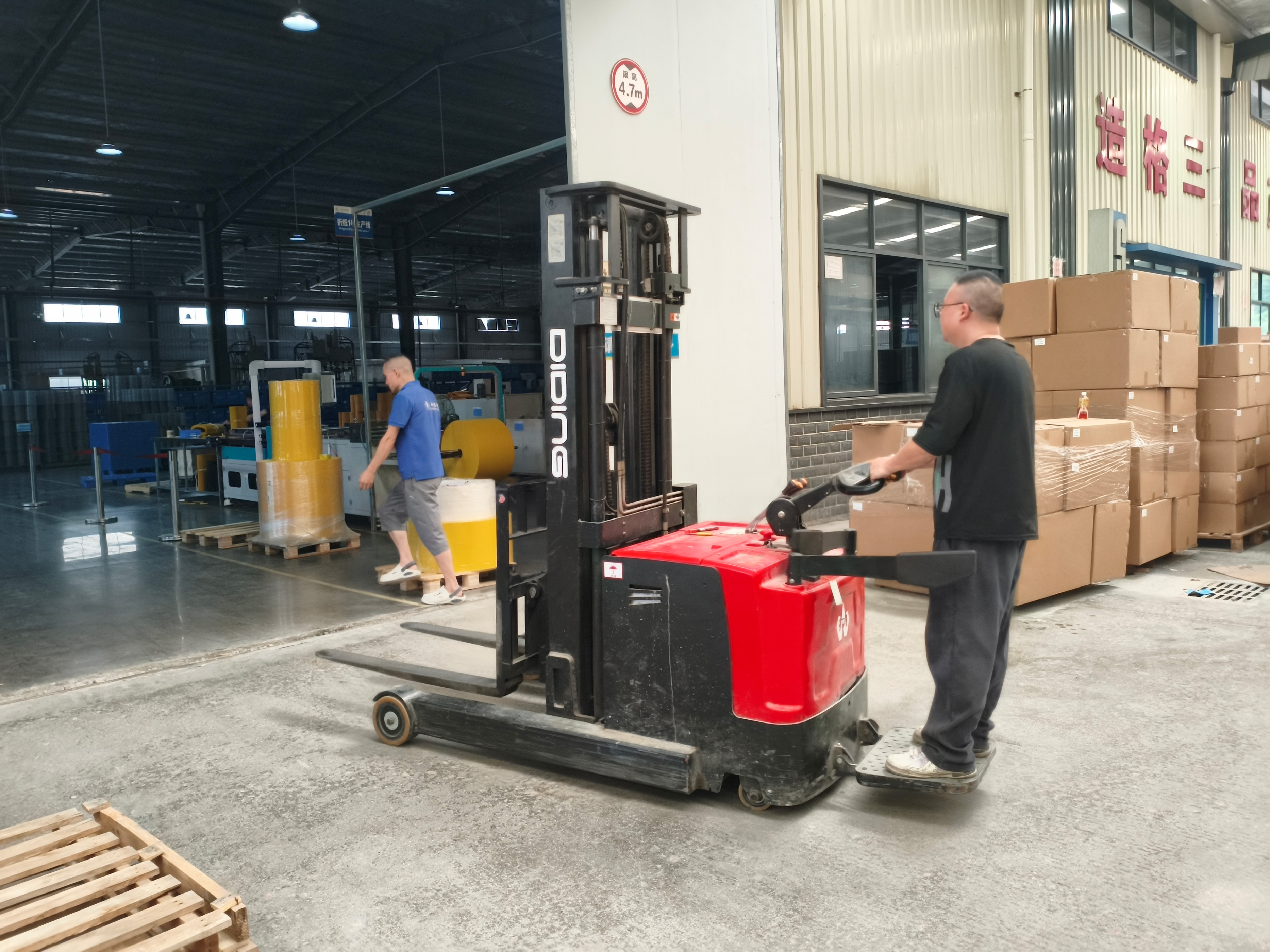
As the logistical lifeline of production support, the full-staff relay supply guarantee operation on June 8 stands as a microcosm of cross-department collaboration at Jiangxi Sange to boost production output. The company has long adhered to the integrated development philosophy of coordinated production, warehousing and sales, attaching great importance to the construction of warehouse and logistics systems. It continuously optimizes warehouse layout, upgrades loading and unloading supporting equipment, strengthens staff collaborative operation capabilities, and establishes a regular emergency mechanism for material supply. Whenever the workshop faces capacity expansion or concentrated order delivery deadlines, the Warehouse Department takes initiative to adjust operation modes and mobilize all staff to guarantee smooth material circulation.
The full-staff supply guarantee operation not only completed the day’s heavy-volume material turnover task efficiently, but also refined workflows for simultaneous multi-truck loading and dynamic on-demand material feeding for workshops. A highly efficient supply guarantee framework featuring divided relay shifts, zoned operation and staggered transfer was summarized, accumulating mature practical experience for mass order delivery in peak seasons. Moving forward, the Warehouse Department of Jiangxi Sange will formalize this high-efficiency collaborative operation model and launch regular cross-post collaborative training to further boost overall efficiency covering forklift transfer, packaging & loading and document registration. The department will also establish a daily supply-demand coordination mechanism in collaboration with the Procurement, Production Workshop and Logistics teams to predict raw material consumption and finished goods delivery demands in advance, allocate manpower and equipment resources proactively, and further consolidate the foundation of production material support.
This cross-team coordinated supply guarantee initiative fully proves that production capacity growth cannot be achieved by the workshop alone, but relies on solid support from auxiliary logistical departments. Every forklift transfer, every cargo loading and unloading task, every round of relay duty on warehouse frontlines constitutes an indispensable force fueling the company’s manufacturing development. In the future, Jiangxi Sange will further strengthen cross-department coordination, deliver round-the-clock material supply guarantee via refined warehouse management to fully support continuous production line operation and unlock greater workshop output. Through high-quality and efficient end-to-end operational management, the company will realize dual growth in production efficiency and market service capacity.